Webinars & e-learning courses All webinars

FELINE PRURITUS: what’s new in diagnosis and management?

FELINE PRURITUS: what’s new in diagnosis and management?

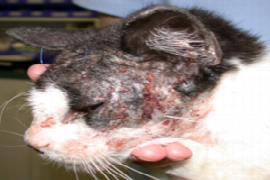
Feline pruritus can be very challenging to manage, due to the potential for severe self trauma, and challenges of medicating many cats. Accurate diagnosis is always the first important step, and in this webinar we will cover practical tips when to consider infectious causes such as dermatoyphtosis or Demodex gatoi, how and when to use elimination diet trials, when to consider flea allergy, and the value of allergy testing (serum & intradermal). Step two is focusing on treatment, and along with updates on current treatment options, guidelines will be given on how to make wise treatment choices for each patient, and how to manage severely pruritic presentations while completing diagnostic trials.

Webinar sponsored by MSD Animal Health

Recording from 11.04.2019


Speaker:
Dr Linda Vogelnest.jpg

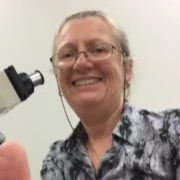
Linda Vogelnest

DR Linda Vogelnest BVSC (HONS) MACVSC FACVSC

Linda graduated from the University of Sydney in Australia in 1984 and became a Specialist in Veterinary Dermatology after over 10 years working in general practice, following an initial desire to understand skin disease better and provide improved patient outcomes. She achieved Fellowship of the Australian and New Zealand College of Veterinary Scientists (ANZCVS) in Veterinary Dermatology in 2003 and has worked in both university clinical practice and private referral practice since then. Linda continues to teach dermatology skills to veterinary students, regularly participates in post-graduate dermatology education, and is passionate about promoting a greater understanding of dermatology. Linda’s special interests include atopic dermatitis, otitis, and maximising value of skin sampling techniques, including skin surface and ear cytology.
Booking information

Duration: 1:02 h
Speaker: Linda Vogelnest
from 1
54.90 US$
(incl. tax)

You might also be interested in

recognising-lesions-in-dermatology-the-key-to-accurate-diagnosis-1.jpeg
Robert Hilton
1:20 h

Recognising lesions in dermatology - the key to accurate diagnosis

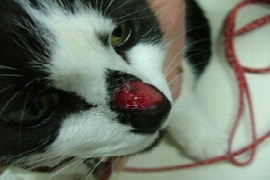
Some people say that everything in dermatology looks the same; just hair loss and red or black skin. This is far from the case. If you can separate primary lesions from secondary changes you are well on your way to formulate a good diagnostic and treatment plan for your patients. The diagnosis and treatment of skin disease in animals is protocol based and it's foundation is the presentling primary lesion picture. It is vital for accurate histopathological diagnosis that the pathologist is given an accurate description of the lesions. In addition, when requesting advice from a veterinary dermatologist, the key is to be able to describe in mutually understandable terms what is happening. In this presentation, Dr's Rob Hilton and Judith Nimmo will co-present the common primary and secondary lesions seen in our small animal patients and discuss their clinical and histological appearance and some of the more common diseases associated with the lesions
otitis-externa-management-strategies-for-long-term-resolutions-1.png
Dr John H C Hutt
0:48 h

Otitis Externa - Management Strategies for Long-Term Resolutions

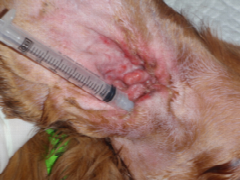
Otitis externa is one of the most commonly encountered presentations in clinical practice. It can also be one of the most frustrating, with large numbers of patients developing recurrent or chronic disease. Multiple client surveys have highlighted the fact that frustration with management of chronic otitis is one of the most common reasons for clients switching veterinary practices. In this webinar we’ll look at how otitis develops in our patients, and gain an understanding of the underlying factors involved. Understanding the pathogenesis of otitis is the most important aspect of successful long-term management of the disease. Armed with this information, we’ll go on to look at specific treatments and preventative measures and the pros and cons of various approaches. We’ll also spend some time discussing the treatment of multi-resistant Pseudomonas otitis, a notoriously difficult infection to get on top of. Finally, we’ll discuss the various surgical options that may be used in the management of otitis, bearing in mind that in all but a few cases, successful medical management is always our preferred option.
Atopic-Patient-Race.jpg
Michelle LeRoy
0:51 h

Treating the modern atopic veterinary patient

The evolution of veterinary dermatology and available pharmaceutical options for treatment of atopic dermatitis has changed significantly in the recent past. This lecture will review a wide array of treatment options both old and new for atopic dogs and cats including immunotherapy, antihistamines, fatty acids, steroids, Oclacitinib (Apoquel®), Cyclosporine (Atopica®), and lokivetmab (Cytopoint®). We will discuss how these therapies benefit the atopic patient and when each treatment is appropriate. Learn what side effects to beware of, how to better educate your clients, and when referral to a dermatologist is helpful.