Webinars & e-learning courses All webinars

Oncology Insights - Pathology and Treatment of Mast Cell Tumours

Oncology Insights - Pathology and Treatment of Mast Cell Tumours

High grade? Low grade?  Grade 1, 2, 3?  Ki-67? AgNOR? KIT?  Arrgggghhhh, but what do all these things mean for my patient!?   
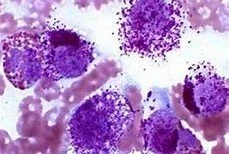
Mast cell tumours are a complex group of cancers and the research is rapidly evolving.  This webinar will cover the latest research on mast cell tumours and provide a clinical oncologist view on MCT pathology and what it actually means for your patients.

This webinar is worth 1 hour of assessed continuing veterinary education if the short accompanying quiz is completed after the webinar presentation.

Recording from 17 November 2021

Speaker:
Dr Jessica Finlay.jpg

Jessica Finlay

Dr Jessica Finlay BVSc (Hons), MVS, FANZCVS.

Jessica graduated from the University of University in 2004 with first class honours, moving to a mixed general practice in east Victoria, and then small animal practice in Tasmania. During her time in general practice, she completed the Post Graduate Foundation in Oncology, a Masters in Veterinary Studies from Murdoch University and successfully gained Membership to the Australian and New Zealand College of Veterinary Scientists in Small Animal Internal Medicine (including Oncology) by examination.  Jess completed her residency (specialist training) in medical oncology in September 2014 and successfully passed Fellowship examinations in 2018.  She has presented at the ANZCVS in 2013 and 2019, as well as had an abstract accepted for presentation at the Veterinary Cancer Society meeting in 2019.  Jess also holds the record for being the first veterinarian to perform electrochemotherapy on a horse in Australia! Outside of work Jess spends her time with her two girls, a naughty but adorable Labrador and two spoilt cats (and one very understanding husband!).   

Booking information

Duration: 0:50 h
Speaker: Jessica Finlay
from 1
54.90 US$
(incl. tax)
You might also be interested in

canine-mast-cell-tumors-1.jpeg
Evi Pecceu
0:43 h

Canine Mast Cell Tumours

Canine mast cell tumours are common in general practice. The diagnosis is usually straightforward by means of fine needle aspiration; however, management can be challenging due to the variable behaviour ranging from locally infiltrating lesions to aggressive mast cell tumours metastasising to the liver and spleen. As a consequence, outcomes range from weeks to years. The aim of the webinar is to focus on the use of prognostic factors to predict the behaviour of mast cell tumours and to guide management of each individual case. Once the extent of disease and likely prognosis has been established, a plethora of treatment options need to be considered including surgery, radiation therapy, chemotherapy, targeted therapy, palliative supportive care as sole or multi-modal therapy. Dogs with a good prognosis should be offered treatment options aimed at long term control, whereas the focus for dogs with a poor prognosis might need to be palliative. The second part of the webinar is focused on highlighting when to consider which treatment options.
Picture1a.jpg
Catherine Chan
0:56 h

I think the dog has bone cancer. What's next?

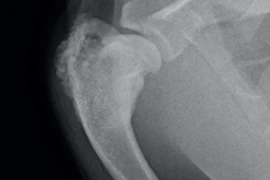
A dog presents to you limping. You take an x-ray and discover an aggressive bone lesion. You suspect a primary bone tumour. What are the differential diagnoses? What next?

As a vet, you will encounter a dog with an aggressive appendicular bone lesion on x-rays. Most dogs will have osteosarcoma, but other types of cancers, benign lesions and infection are possible.


Picture1.jpg
David Argyle
0:40 h

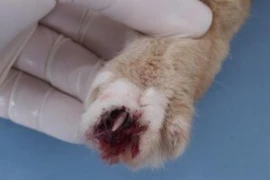
The Clinical and Pathophysiological Aspects of Feline Lung-Digit Syndrome

Feline Oncology can be a challenging discipline and clinicians need to understand the natural history of tumours to understand clinical presentation and management...