Webinars & e-learning courses All webinars

Diagnosis of food allergy in dogs

Diagnosis of food allergy in dogs

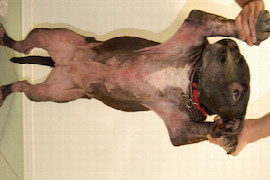
The main steps in diagnosing food allergy in dogs are the exclusion other differential diagnoses, the administration a correct elimination diet for a suitable amount of time and the interpretation of the results of the diet trial. Advanta-ges and disadvantages of other diagnostic tools, such as the intradermal skin test or the serological test, the patch test, the gastroscopic test will be discussed. Useful tips on how to chose the most suitable hypoallergenic diet and how to improve compliance during the diet trial will also be offered.

Language: English

In case you have missed this webinar, you have the opportunity to watch a recorded version here.

This webinar qualifies for one (1) hour of continuing education.

Speaker:

Chiara_Noli_130x130.png

Chiara Noli

Dr. Chiara Noli DVM, Dip ECVD

Chiara graduated in veterinary medicine from the University of Milan, Italy, in 1990. After a residency at the Uni-versity of Utrecht, Holland, she obtained the European Diploma in Veterinary Dermatology in 1996. Since then she works as referral dermatologist and dermatopathologist in Northen Italy. Dr. Noli is Past President and Founder Member of the Italian Society of Veterinary Dermatology, Board Member of the European Society of Vet-erinary Dermatology and has been Board Member of the International Society of Veterinary Dermatopathology. She is also currently serving on the Organizing Committee of the next World Congress of Veterinary Dermatology. Dr. Noli is author of four book chapters and of over 60 articles in Italian and international journals, and is co-author of a veterinary dermatology clinical textbook. Her main clinical research interest is the use of non-steroidal antiinflammatory drugs in canine atopic dermatitis and in the feline eosinophilic granuloma complex.

Booking information

Duration: 0:39 h
Speaker: Chiara Noli
from 1
54.90 US$
(incl. tax)

You might also be interested in

nutrition-support-will-improve-patient-outcomes-CL1460103618.jpeg
Stefanie Handl
0:50 h

Nutrition support will improve patient outcomes!

Nutrition support is often overlooked or delayed in the management of acutely unwell or hospitalised cats and dogs, as medical and surgical treatments take priority. This presentation outlines the importance of early nutritional assessment and intervention in the management of sick cats and dogs, and offers practical solutions to the provision of nutrition support for the at-risk patient. It covers the reasons why early nutrition support can improve patient outcomes, and simple guidelines to assess the nutritional status of patients. Different feeding methods will be discussed, and case studies will be used to demonstrate the appropriate choice of feeding for particular cases.
dietary-support-for-gastrointestinal-diseases-1.jpeg
Nick Cave
1:02 h

Dietary support for gastrointestinal diseases

No other organ system is so immediately and profoundly affected by diet than the gastrointestinal tract, and there are few acute or chronic diseases where dietary manipulation is not an important component of the diagnostic approach and management. This webinar will provide an update on feeding trials as a diagnostic tool, how key dietary components interact with the GI tract, the impact of diet on the bacteriome, and will discuss the specific management of some key diseases including pancreatitis, constipation, and severe gastroenteritis.
dog-food-g213e7b658_1920 (1).jpg
Stefanie Handl
0:58 h

Feeding Trends in Dogs and Cats - What's the Science (for Nurses)

Vet Nurses are often the first people our clients speak to about diet, and these days there are so many options - raw, dry kibble, wet food, vegan food and homemade diets. It's very important that nurses are able to discuss these options with clients, with the correct scientific information to share.