Webinars & e-learning courses All webinars

Otitis Externa - Management Strategies for Long-Term Resolutions

Otitis Externa - Management Strategies for Long-Term Resolutions

Otitis externa is one of the most commonly encountered presentations in clinical practice. It can also be one of the most frustrating, with large numbers of patients developing recurrent or chronic disease. Multiple client surveys have highlighted the fact that frustration with management of chronic otitis is one of the most common reasons for clients switching veterinary practices.
In this webinar we’ll look at how otitis develops in our patients, and gain an understanding of the underlying factors involved. Understanding the pathogenesis of otitis is the most important aspect of successful long-term management of the disease. Armed with this information, we’ll go on to look at specific treatments and preventative measures and the pros and cons of various approaches. We’ll also spend some time discussing the treatment of multi-resistant Pseudomonas otitis, a notoriously difficult infection to get on top of.
Finally, we’ll discuss the various surgical options that may be used in the management of otitis, bearing in mind that in all but a few cases, successful medical management is always our preferred option.

Recording from 17.04.2018

Speaker:
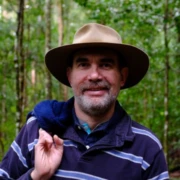
John Hutt.jpg

Dr John H C Hutt

BVSc(Hons) CertVD MANZCVS DipACVD

John graduated from the University of Queensland in 1988. He worked in general practice in Brisbane for 18 months before travelling to the UK in 1990, where he worked in small animal practice for the next 11 years. He was a clinical assistant in dermatology at the Animal Health Trust from 1998 to 2001. In 2001 John set up North Kent Referrals, a multi-disciplinary referral practice in the south of England, and he owned and ran the practice until its sale in 2012.

John is a registered specialist in Veterinary Dermatology. He holds the RCVS Certificate in Veterinary Dermatology, is a member of the Australian College of Veterinary Scientists (MANZCVS) by examination in small animal medicine, and is a diplomate of the American College of Veterinary Dermatology. John is a past President of the British Veterinary Dermatology Study Group.

Following his return to Brisbane in 2013, John joined the team at Dermatology for Animals. His clinical interests include the management of allergic skin disease in dogs, immune mediated skin disorders, and all aspects of feline and equine dermatology. John has regularly presented on the subject of veterinary dermatology to veterinary surgeons and nurses in Europe, Asia and Australia.
Booking information

Duration: 0:48 h
Speaker: Dr John H C Hutt
from 1
54.90 US$
(incl. tax)

You might also be interested in

131022-image-300x200.jpg
Chloe Fay
0:55 h

Wound Management for Nurses

Wound care management is an integral part of a veterinary nurses skill set. The ability to triage, initiate treatment and help with the resolution of wounds to patients will help the veterinary nurse to feel confident in the ER.
Atopic-Patient-Race.jpg
Michelle LeRoy
0:51 h

Treating the modern atopic veterinary patient

The evolution of veterinary dermatology and available pharmaceutical options for treatment of atopic dermatitis has changed significantly in the recent past. This lecture will review a wide array of treatment options both old and new for atopic dogs and cats including immunotherapy, antihistamines, fatty acids, steroids, Oclacitinib (Apoquel®), Cyclosporine (Atopica®), and lokivetmab (Cytopoint®). We will discuss how these therapies benefit the atopic patient and when each treatment is appropriate. Learn what side effects to beware of, how to better educate your clients, and when referral to a dermatologist is helpful.
recognising-lesions-in-dermatology-the-key-to-accurate-diagnosis-1.jpeg
Robert Hilton
1:20 h

Recognising lesions in dermatology - the key to accurate diagnosis

Some people say that everything in dermatology looks the same; just hair loss and red or black skin. This is far from the case. If you can separate primary lesions from secondary changes you are well on your way to formulate a good diagnostic and treatment plan for your patients. The diagnosis and treatment of skin disease in animals is protocol based and it's foundation is the presentling primary lesion picture. It is vital for accurate histopathological diagnosis that the pathologist is given an accurate description of the lesions. In addition, when requesting advice from a veterinary dermatologist, the key is to be able to describe in mutually understandable terms what is happening. In this presentation, Dr's Rob Hilton and Judith Nimmo will co-present the common primary and secondary lesions seen in our small animal patients and discuss their clinical and histological appearance and some of the more common diseases associated with the lesions