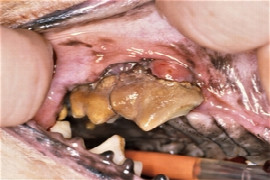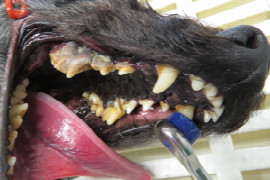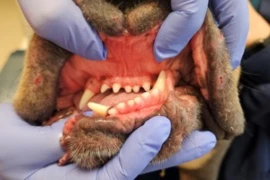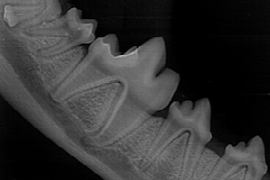
This webinar will introduce the basics of positioning and obtaining dental radiographs and give examples of typical findings – normal anatomical and abnormal pathological.
Language: English
In case you have missed this webinar, you have the opportunity to watch a recorded version here.
Speaker:

Jens Ruhnau
Jens Ruhnau, DVM, Dipl.EVDC, Specialdyrlæge
Born in Copenhagen Denmark 1967.
Jens Ruhnau graduated from the University of Copenhagen in 1995. He has worked in private practice since then, and exclusively with veterinary dentistry since 1997. He opened his own referral veterinary dental clinic in Copenhagen in 2007. Today he is head of surgery on that clinic named AniCura TandDyreklinikken doing referral cases in periodontology, endodontology, orthodontics, traumatology and surgical oncology.
Jens Ruhnau passed the European Veterinary Dental College (EVDC) entry exam in 2004 to become the first European veterinary dental specialist in his region. In 2005 he was awarded the Danish specialist title “Specialdyrlæge”.
Jens Ruhnau is a member of European Veterinary Dental Society (EVDS) and a former long term board member. He is also a long term board member of EVDC and at present holding the position of President-Elect in EVDC.
Jens Ruhnau has a number of articles published and is an experienced tutor, teaching on a regular basis in many countries.
Jens Ruhnau graduated from the University of Copenhagen in 1995. He has worked in private practice since then, and exclusively with veterinary dentistry since 1997. He opened his own referral veterinary dental clinic in Copenhagen in 2007. Today he is head of surgery on that clinic named AniCura TandDyreklinikken doing referral cases in periodontology, endodontology, orthodontics, traumatology and surgical oncology.
Jens Ruhnau passed the European Veterinary Dental College (EVDC) entry exam in 2004 to become the first European veterinary dental specialist in his region. In 2005 he was awarded the Danish specialist title “Specialdyrlæge”.
Jens Ruhnau is a member of European Veterinary Dental Society (EVDS) and a former long term board member. He is also a long term board member of EVDC and at present holding the position of President-Elect in EVDC.
Jens Ruhnau has a number of articles published and is an experienced tutor, teaching on a regular basis in many countries.
Booking information
Duration:
0:45 h
Speaker:
Jens Ruhnau
from 1
54.90 US$
(incl. tax)