Webinars & e-learning courses All webinars

The Diagnostic Approach to the Pruritic Cat for Nurses

The Diagnostic Approach to the Pruritic Cat for Nurses

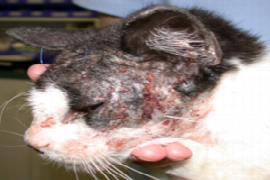
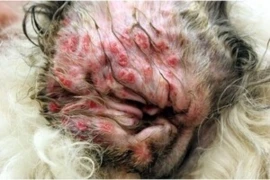
In this one-hour lecture, we will discuss the clinical signs, diagnosis and treatment of allergies in our feline friends. Allergic conditions in cats are common in small animal dermatology, but they remain challenging to diagnose given the multitude of clinical presentations. We will aim to streamline the workup of the allergic cat to allow an accurate diagnosis and a long-term, sustainable, targeted treatment plan.

The Australian Veterinary Nurse and Technician (AVNAT) Regulatory Council has allocated (1) AVNAT CPD point to this continuing education activity.

Recording from 23 November 2022

Speaker:

Fiona_Bateman_133x200_02.jpg

Fiona Bateman

DVM, BVSc (Hons), MACVSc (Small Animal Medicine), DACVD

Fiona graduated with honours from the University of Melbourne in 2005. After completing a year in Emergency and Referral practice in Melbourne, she undertook a rotating internship in Small Animal Medicine and Surgery at Queensland Veterinary Specialists and Pet Emergency in Brisbane. Following completion of the internship, she continued her role as Assistant Clinical Director of Pet Emergency.
Fiona was then offered a residency position in Veterinary Dermatology, training under both Australian and American residency programs. As part of her training program, she has had additional periods of study at Colorado State University and the Equine trust in Cambridge UK. She is a Diplomate of the American College of Veterinary Dermatology and Registered Specialist in Veterinary Dermatology.

Booking information

Duration: 0:59 h
Speaker: Fiona Bateman
from 1
54.90 US$
(inkl. tax)

You might also be interested in

Atopic-Patient-Race.jpg
Michelle LeRoy
0:51 h

Treating the modern atopic veterinary patient

The evolution of veterinary dermatology and available pharmaceutical options for treatment of atopic dermatitis has changed significantly in the recent past. This lecture will review a wide array of treatment options both old and new for atopic dogs and cats including immunotherapy, antihistamines, fatty acids, steroids, Oclacitinib (Apoquel®), Cyclosporine (Atopica®), and lokivetmab (Cytopoint®). We will discuss how these therapies benefit the atopic patient and when each treatment is appropriate. Learn what side effects to beware of, how to better educate your clients, and when referral to a dermatologist is helpful.
the-pruritic-cat-a-practical-approach-to-diagnosis-and-treatment.png
Heidi Schroeder
1:04 h

The pruritic cat – a practical approach to diagnosis and treatment

Pruritus is one of the most common presenting complaints of cat owners in practice as many dermatoses of cats are associated with pruritus. The pruritus symptoms may manifest as licking/overgrooming, scratching, chewing, or biting the skin, resulting in alopecia, erythema, and dermatitis. Determining the cause of the pruritus can be more difficult in cats than dogs and it is important to understand that cats are not small dogs. The same cause may elicit different reaction patterns in different cats. This webinar will focus on identifying the reaction patterns, discuss a step-wise diagnostic approach to rule out the common causes of pruritus in cats and discuss management of the various causes. Because cats seemingly tolerate corticosteroids well and are often difficult to medicate, overuse of long-acting steroid injections is common. Using this step-wise approach to identify and control the underlying causes can decrease the use of steroids and reduce the risks of developing serious adverse effects such as diabetes and congestive heart failure.
recognising-lesions-in-dermatology-the-key-to-accurate-diagnosis-1.jpeg
Robert Hilton
1:20 h

Recognising lesions in dermatology - the key to accurate diagnosis

Some people say that everything in dermatology looks the same; just hair loss and red or black skin. This is far from the case. If you can separate primary lesions from secondary changes you are well on your way to formulate a good diagnostic and treatment plan for your patients. The diagnosis and treatment of skin disease in animals is protocol based and it's foundation is the presentling primary lesion picture. It is vital for accurate histopathological diagnosis that the pathologist is given an accurate description of the lesions. In addition, when requesting advice from a veterinary dermatologist, the key is to be able to describe in mutually understandable terms what is happening. In this presentation, Dr's Rob Hilton and Judith Nimmo will co-present the common primary and secondary lesions seen in our small animal patients and discuss their clinical and histological appearance and some of the more common diseases associated with the lesions