-
Pferdekardiologie in der Praxis: Von der Arrhythmie zur Diagnose
Dr. Christina Eberhardt vermittelt in diesem Webinar praxisrelevantes Wissen zur Diagnostik, klinischen Beurteilung, Prognose und Therapie von Herzrhythmusstörungen beim Pferd.11.11.2026 (UTC)19:00 - 20:00 (UTC) -
Indications for Mechanical Ventilation
This session with Corrin Boyd covers the basic principles on the use of mechanical ventilation in small animal critical careDuration: 1:14 hSpeaker: Corrin Boyd -
Pferdekardiologie in der Praxis: Vom Herzgeräusch zur Diagnose
Dr. Christina Eberhardt stellt in diesem Webinar eine vertiefte diagnostische und prognostische Bewertung des Zufallsbefundes “Herzgeräusch” in der Pferdepraxis vor.Duration: 1:09 hSpeaker: Christina Eberhardt -
ECG reading: theory and practice
This presentation by Julie Dauvillier reviews equine cardiac rhythms, covers normal and abnormal patterns, and demonstrates a practical, step-by-step approach to interpreting EKGs with examples.Duration: 0:53 hSpeaker: Julie Dauvillier -
Cardiac murmur: shall I bother or not?
This presentation by Julie Dauvillier reviews equine cardiac murmurs, helping practitioners distinguish physiological from pathological murmurs and guide owners toward further evaluation when necessary.Duration: 0:41 hSpeaker: Julie Dauvillier -
Kardiologie beim Vogel
Der Vortrag von Dr. Cornelia Konicek bietet einen praxisnahen Überblick über Kardiovaskuläre Erkrankungen bei Vögeln – von den anatomisch-physiologischen Besonderheiten bis hin zu Diagnostik und Therapie.Duration: 0:54 hSpeaker: Cornelia Konicek -
Reading Between the Lines - The Art of ECG Interpretation for Veterinary Nurses
Electrocardiography (ECG) is an invaluable monitoring and diagnostic tool, but interpreting waveforms can often feel overwhelming—like trying to decipher a secret code! presented by Lauren KirbyDuration: 0:57 hSpeaker: Lauren Kirby -
Feline Cardiac Emergencies
In this webinar Prof Melanie Hezzel will discuss the diagnosis and management of feline cardiac emergencies, focussing on congestive heart failure, arterial thromboembolism and arrhythmiasDuration: 0:51 hSpeaker: Melanie Hezzell -
Feline Cardiomyopathies
This webinar will outline the diagnosis and management of feline cardiomyopathies, focussing primarily on hypertrophic cardiomyopathy, and presented by Prof. Melanie HezzelDuration: 0:54 hSpeaker: Melanie Hezzell -
Slow and unsteady - Understanding bradyarrhythmias for Nurses
In this presentation Andrew Fisher aims to give an overview of bradyarrhythmias for nurses who work in general practice.Duration: 0:33 hSpeaker: Andrew Fisher -
Vorsorge bei der alternden Katze: Eine Herzensangelegenheit
In diesem Webinar stellt Dr. Sophia Schäfer verschiedene Screening-Möglichkeiten vor, um auch okkulte Kardiomyopathien bei der Katze zu erkennen. Hierbei geht es vor allem darum, was auch in der Praxis möglich, nötig und sinnvoll ist.Duration: 2:08 hSpeaker Sophia Schäfer, Patricia Hagenbucher -
Unbreak my heart – managing cardiac emergencies
The presentation will focus on the following commonly encountered cardiac emergencies….Duration: 0:55 hSpeaker: Melanie Hezzell -
Duration: 0:59 hSpeaker: Melanie Hezzell
-
Die kardiologische Katze
Die herzkranke Katze ist diagnostisch nicht einfach aufzuarbeiten. Das Seminar gibt praktische Hinweise zu Diagnostik und Therapie feliner Kardiomyopathien.Duration: 1:53 hSpeaker Markus Killich, Patricia Hagenbucher -
Causes of secondary dilated cardiomyopathy in dogs
This session will discuss the pathophysiology, diagnostic options and therapeutic options for commonly encountered causes of secondary dilated cardiomyopathy phenotypes in dogs.Duration: 1:21 hSpeaker: Michael Aherne -
Katzenherz - was tun?!
Im Jahr 2020 wurden erstmals ACVIM-Leitlinien für feline Kardiomyopathien veröffentlicht, und auch andere Studien beschäftigen sich vermehrt mit diesem Thema. In dieser Online-Fortbildung diskutiert Prof. Tony Glaus mit Ihnen die aktuellen Erkenntnisse zur Klassifizierung, praxisrelevante diagnostische Möglichkeiten und Therapieoptionen für Ihre Katzenpatienten.Duration: 1:49 hSpeaker: Tony Glaus -
Get Rhythm: A Nurse’s Guide to ECG’s
ECG’s can be daunting, it is an area of veterinary nursing that is not taught in great detail and one that is sometimes avoided because it is poorly understood. This webinar will go back to basics; where better to start than at the beginning?Duration: 1:06 hSpeaker: Lauren Holland -
Is it just an innocent murmur? Congenital Heart Disease in Puppies and Kittens & Cats (for Nurses)
Heart murmurs in young puppies and kittens are often managed incorrectly. We know that a delay in the diagnosis of congenital heart disease can mean incorrect treatments and cause a major impact on longer term prognosis. This webinar will help guide the veterinary team through the assessment, management and prognosis of commonly encountered congenital heart diseases with plenty of practical tips and tricks for improving your knowledge on the subject. It also aims to give delegates confidence when discussing these congenital conditions with owners and colleagues. Learning Objectives: • How to identify animals that may have congenital heart disease • Understand the most appropriate tests and how to perform these well in young animals • Improve ability to detect and understand the significance of a murmur • Prognosis and treatment options available for the common congenital heart conditions seenDuration: 0:57 hSpeaker: Chris Linney -
Duration: 1:07 hSpeaker: Robert Höpfner
-
Canine Dilated Cardiomyopathy
This webinar will discuss the pathophysiology of canine DCM and the common causes, diagnosis and treatment of dilated cardiomyopathy (DCM) in dogs. Nutritional DCM will be discussed as will differentiating degenerative mitral valve disease from DCM in large breed dogs.Duration: 1:01 hSpeaker: Richard Woolley -
Cardiac Emergencies (for Nurses)
Cardiac emergencies require urgent attention, and delay of treatment to these patients may cause fatalities. Understanding how the condition will affect the patient is key to understanding treatment efficacy and the importance of the nurse’s role within the management of these patients. This webinar will take an in-depth look at emergency management and treatment of common cardiac emergencies that present to the ER. Specific topics will include congestive heart failure, arrhythmia's, and pericardial effusion. During this one-hour session, top tips and deeper understanding of pathophysiology, clinical symptoms, treatment and nursing considerations will be addressed. A comprehensive focus on ECG interpretation and introduction to ultrasound techniques through case studies will help the nurse with case management.Duration: 0:54 hSpeaker: Chloe Fay -
Feline Heartworm Disease (for Nurses)
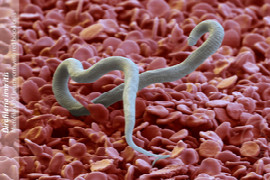
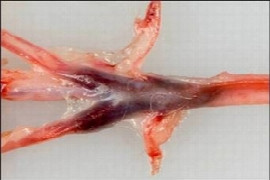
Feline heartworm disease, caused by Dirofilaria immitis worms, is a good example of where a cat is definitely not a small dog. Infection in dogs tends to be better tolerated, the adult worms are more likely to reach patency and diagnosis and treatment are (relatively) easier than in cats. The reasons for these differences, what can be done to ensure cats avoid this infection and measures to take when cats have the infection will be explored in this webinar. The webinar will also provide an update on heartworm infection in the US, where resistance to heartworm preventives is evolving while researchers seek to understand the factors that led to the genesis of resistance and new solutions, whilst heartworm infection continues to spread. The implications that climate change may have on the epidemiology of heartworm disease will be explored.Duration: 0:44 hSpeaker: Maggie Fisher -
Feline Arterial Thromboembolism
Arterial thromboembolism (ATE) in cats most frequently occurs when a thrombus that develops within the left atrium embolizes a remote site. The most common site is the aortic trifurcation, resulting in abrupt occlusion of blood supply to the hind limbs and ischemia of a large muscle mass. In most cases ATE is a devastating complication of serious underlying heart disease. In this webinar I will discuss the most important aspects of ATE (diagnosis, prognosis, therapy, prevention) in a case-based and evidence-based approach.Duration: 0:44 hSpeaker: Niek Beijerink -
Duration: 1:01 hSpeaker: Markus Killich
-
Duration: 0:54 hSpeaker: Robert Höpfner
-
Duration: 1:02 hSpeaker: Michael Deinert
-
Duration: 0:55 hSpeaker: Markus Killich
-
Physiology of the cardiovascular system – what a veterinary nurse needs to know
During this webinar Dr. Niek Beijerink will discuss the application of normal cardiac anatomy and physiology. First, an overview of the circulatory system will be provided, information will be provided on normal heart sounds, as well as information on the normal electrocardiogram. Second, a few case examples will be discussed, applying the normal physiological principles.Duration: 0:36 hSpeaker: Niek Beijerink
- VET WEBINAR
- Webinars & e-learning courses
Webinars & e-learning courses